
Food Factory Flooring Systems
Hygienic seamless flooring systems engineered for food processing environments, easy cleaning, chemical resistance, and long-term industrial durability.
Food Factory Flooring Challenges
Food processing facilities operate under extreme biological and mechanical vectors. Standard concrete overlays fail rapidly under rigorous regulatory scrutiny and intense daily sterilization protocols.


Recommended Flooring Systems
Explore our certified floor coating formulations. Each seamless food factory flooring configuration is precision-engineered to align with global food safety audits and specific heavy industrial traffic profiles.


Flooring System Structure
Our hygienic food processing floor coating systems do not rely on a single layer. We engineer a multi-tiered molecular fortress to absorb high structural vibration, aggressive chemical immersion, and rapid thermal shift.
Polyurethane Protective Topcoat
The ultimate chemical resistant floor coating shielding barrier. Engineered with high-density polyurethane to resist continuous 120°C high-pressure steam sanitization and harsh caustic CIP (Clean-in-Place) chemicals.
Self-Leveling Hygienic Surface
A seamless food factory flooring middle matrix that eliminates liquid trapping vectors. Formulated into an ultra-dense, non-porous structure to ensure continuous bacteria and pathogen exclusion.

Epoxy Intermediate Layer
A high-build load-bearing reinforcement layer using premium food grade epoxy flooring aggregates. Formulated to absorb severe mechanical impact from steel-wheeled logistics carts and heavy machinery installation.

Moisture Resistant Primer
An advanced epoxy formulation engineered to suppress high hydrostatic osmotic vapor pressure coming from beneath the slab, eliminating post-installation blistering vectors.
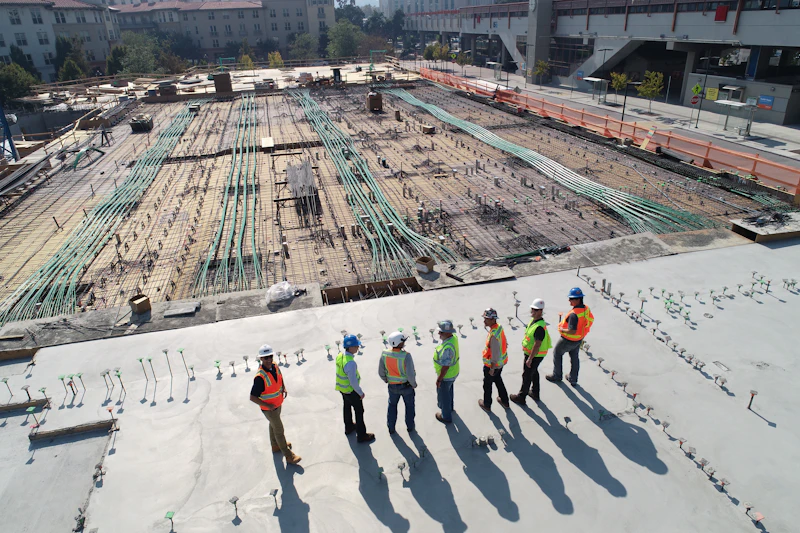
Concrete Substrate
The raw architectural floor cross-section, mechanically prepared via diamond grinding or shot-blasting to establish maximum cross-linking surface anchors for the coating systems.
Why Our Food Factory Flooring Systems Perform Better
Our chemistry profiles are systematically engineered to exceed standard commercial capabilities. We target the microscopic failure vectors commonly found within high-intensity food and beverage infrastructure.


Tailored for Diverse Food Industry Sectors
Every food processing facility operates under highly localized environmental strain. We tailor our seamless food factory flooring systems to withstand specific biochemical reactions and traffic payloads.




OEM Food Grade Flooring Manufacturing
As a verified chemical synthesis powerhouse, we offer end-to-end industrial compounding solutions. From custom polymer tuning to global regulatory white-label export, we back your brand with absolute operational scale.

Frequently Asked Questions
Critical structural insights regarding compliance, molecular longevity, and international food safety protocols. Explored by our lead materials science desk.
What flooring is best for food factories?
The best option is a dedicated, multi-layered seamless food factory flooring system—specifically waterborne polyurethane concrete or thick-build solvent-free systems. These configurations are superior because they withstand severe thermal shock (-40°C to 120°C), continuous organic acid exposure, and mechanical impacts that cause traditional concrete or standard tile systems to fracture and crack.

Is epoxy flooring suitable for food processing plants?
Yes, provided it is a certified food grade epoxy flooring formulation. Traditional commercial epoxies fail under intense plant cleaning, but our specialized formulations utilize a zero-VOC, 100% solids chemical cross-linking matrix. This ensures the floor remains completely impermeable to oils, blood lipids, and bacteria breeding nests while easily passing strict global food safety audits.

What is hygienic flooring?
Hygienic flooring refers to a seamless, non-porous surface specifically engineered to reject microbial colonization. Our hygienic industrial flooring systems eliminate joints, micro-fissures, and grout lines where pathogens like Listeria, E. coli, and Salmonella proliferate, delivering an ultra-dense topography that supports advanced sanitization protocols.

Can food factory flooring resist cleaning chemicals?
Absolutely. Our heavy-duty chemical resistant floor coating systems are architected to withstand continuous exposure to aggressive caustic sanitizers, nitric acids, heavy chlorinated washes, and highly concentrated Clean-in-Place (CIP) sanitation procedures without showing signs of softening, blistering, or layer erosion.

Do you provide anti-slip flooring systems?
Yes, we provide adjustable slip resistance options tailored to the moisture level of your facility. By embedding precision-graded aluminum oxide or quartz aggregates into the food processing floor coating, we create multi-directional friction profiles that secure worker safety in wet washdown zones without catching mop elements.

How long does food processing flooring last?
When engineered with our multi-tiered molecular cross-linking system, the active operational lifespan exceeds 10 to 15+ years. Longevity depends on proper ICRI concrete substrate preparation, traffic volume, and thermal shift frequency, but our premium polyurethane topcoat structures ensure exceptional resistance to structural fatigue.

Do you support OEM food grade flooring manufacturing?
Yes, we provide full OEM and private label support for international building material distributors and engineering contractors. We deliver custom formulation mixing, branded packaging execution, and full regulatory clearance validation—including white-label Technical Data Sheets (TDS) and global GHS-compliant Safety Data Sheets (SDS).


Build Hygienic Flooring Systems for Food Processing Facilities
Align your global supply chain with audited engineering excellence. Contact our chemical synthesis desk today to receive zero-VOC formulation blueprints, compliance verification packages, or custom white-label private procurement estimates.